Why it had to exist
The missing object was the workout itself.
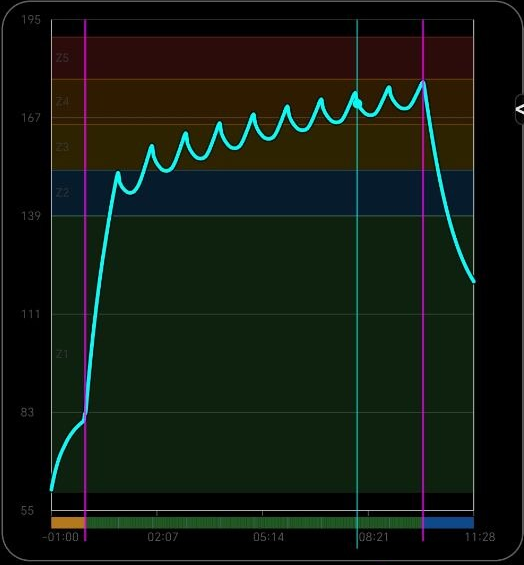
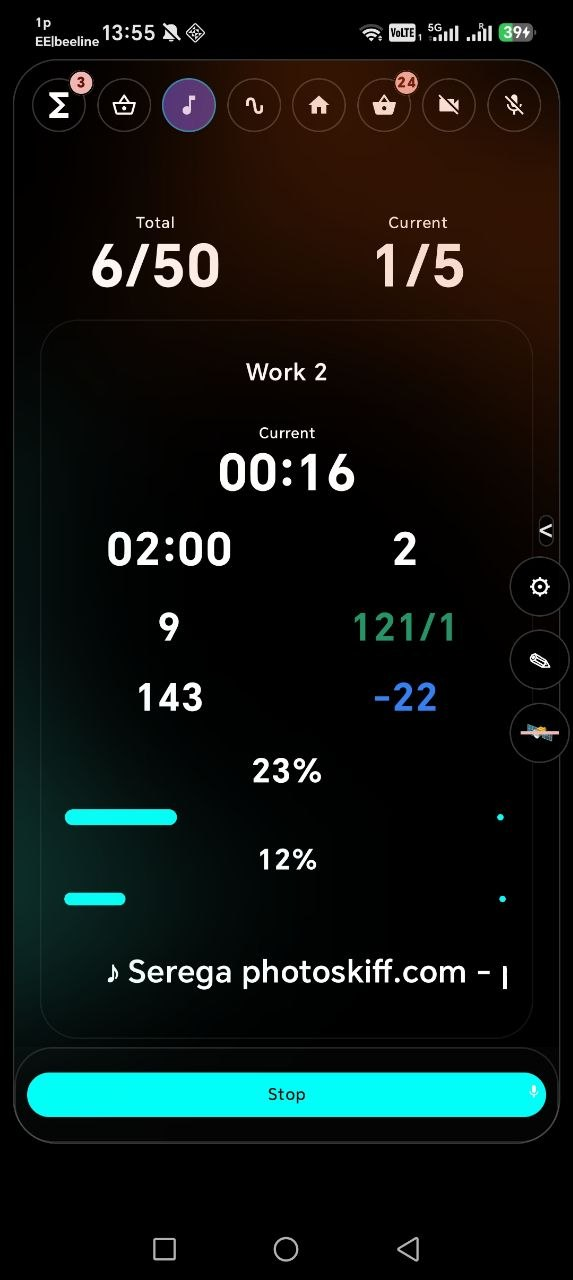
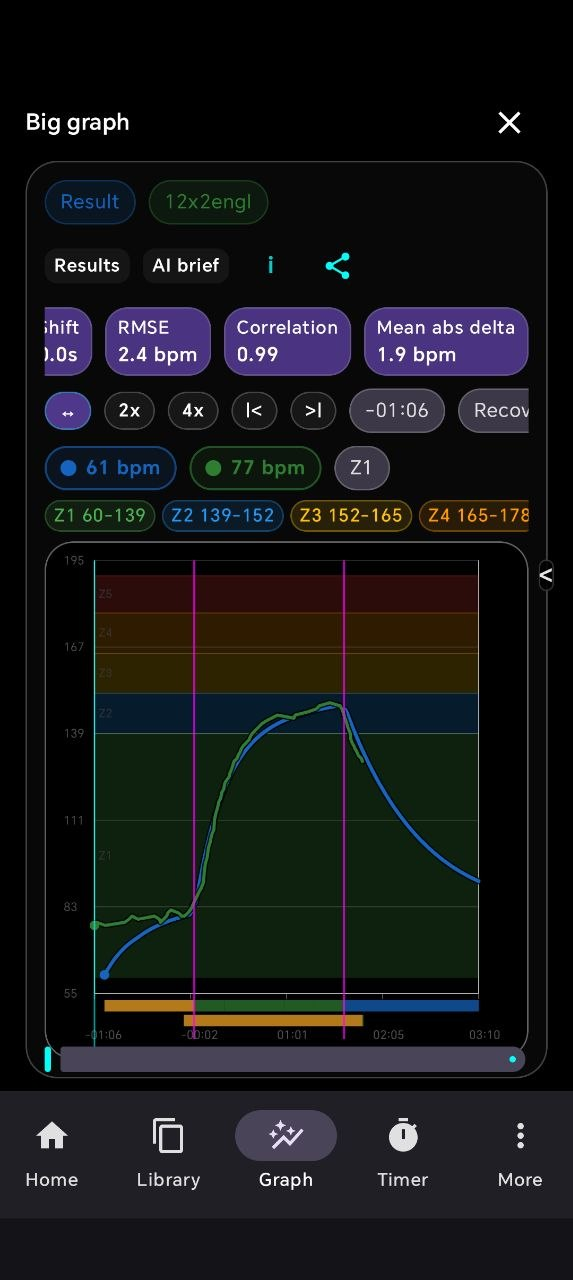
Timers can count seconds. Sensors can record what happened. Training plans can describe intent in prose. But these three layers rarely share one precise, executable representation.
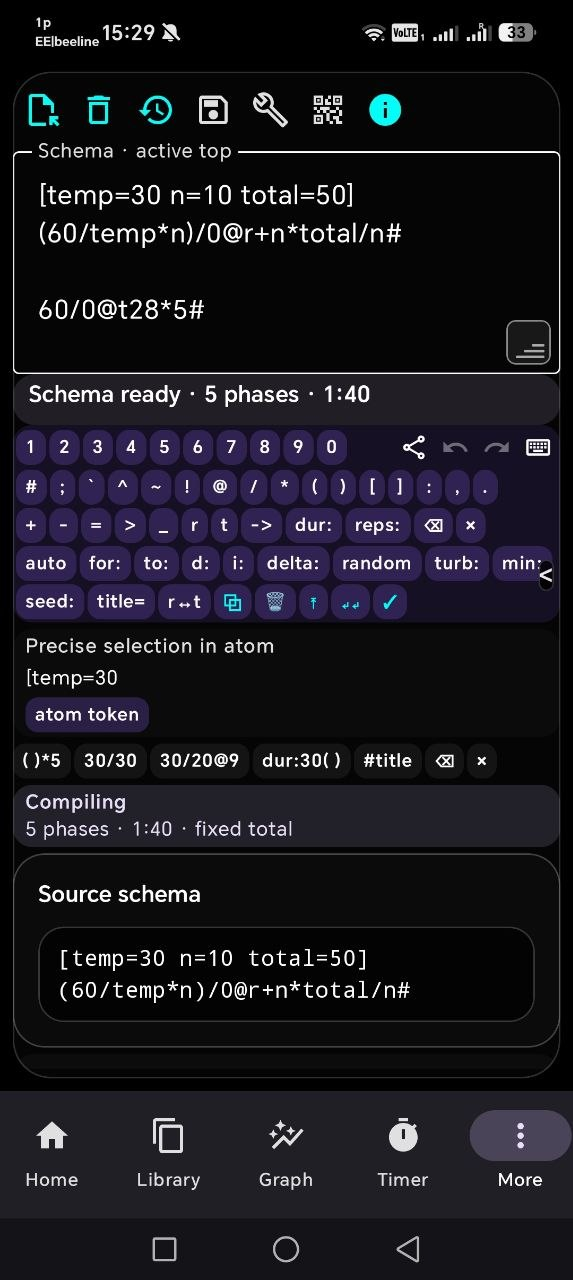
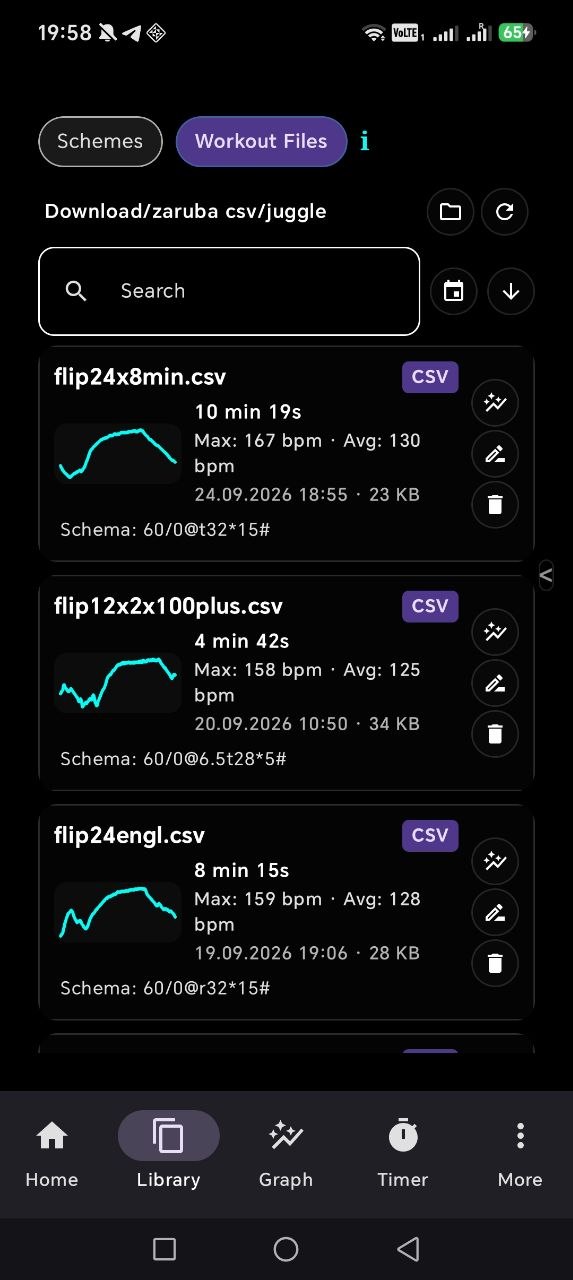
Schema was created to preserve the structure between intention and response: what changed, when it changed, how it should be materialised in a sport and what can be compared afterwards.
01Competitive practice exposed the limits of generic interval lists.02Community challenges made repeated, comparable efforts visible over months and years.03Modeling required a formal description of the input — not heart-rate data alone.04The language, Timer and analysis tools emerged as parts of one system.
Field evidence / Photoskiff Zaruba
A living record of adaptation.
Nearly 3,000 published challenge attempts document real training histories across exercises, ages and ability levels. The collection includes rules, rankings, dates, repeated attempts and individual progress — a practical foundation for longitudinal analysis.
≈3,000published attempts
15+standardised challenges
899%largest displayed improvement
61%displayed mean progress
This is observational field data, not a controlled clinical trial. Its value is different: it reveals trajectories, generates hypotheses and shows what sustained practice looks like outside a laboratory.